


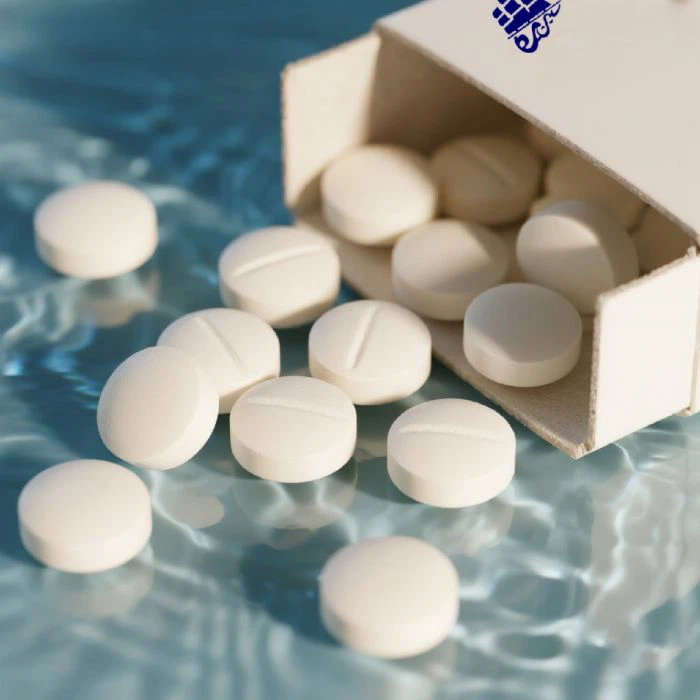


Hey there! I'm a powder supplier, and today I wanna chat about how powder changes over time. It's something that might not cross everyone's mind, but it's super important, especially when you're in the business of dealing with all kinds of powders.
First off, let's talk about the physical changes. One of the most common things you'll notice is caking. Powders are made up of tiny particles, and over time, these particles can start to stick together. This can happen for a few reasons. Humidity is a big culprit. If the powder is exposed to moisture in the air, the water molecules can act like glue between the particles. For example, if you've ever left a bag of flour open in a damp kitchen, you'll come back to find clumps. The same goes for industrial powders. We've had customers who've stored our powders in less - than - ideal conditions, and they've reported caking issues.
Another physical change is settling. When a powder is stored for a long time, the heavier particles tend to sink to the bottom, and the lighter ones rise to the top. This can be a problem because it means the powder might not be uniform anymore. In industries where precise measurements are crucial, like pharmaceuticals or cosmetics, this lack of uniformity can mess up the final product.
Now, let's move on to chemical changes. Oxidation is a major one. Many powders contain substances that can react with oxygen in the air. This can lead to a change in color, smell, and even the effectiveness of the powder. For instance, some antioxidant - rich powders can lose their potency over time as they react with oxygen. In our experience, we've seen powders that were once bright and vibrant turn dull and brownish after being exposed to air for too long.
Hydrolysis is another chemical reaction that can occur. This happens when water molecules break down the chemical bonds in the powder. It's more likely to happen in powders that are sensitive to moisture. For example, some enzymes in powders can be deactivated through hydrolysis, which is a big deal if the powder is used for biological or chemical processes.
The rate at which these changes occur depends on a few factors. Storage conditions are key. Temperature plays a huge role. Higher temperatures generally speed up chemical reactions. So, if you store a powder in a hot warehouse, it's going to change faster than if it's stored in a cool, dry place. Light can also have an impact. Some powders are photosensitive, meaning they can react when exposed to light. That's why many pharmaceutical powders come in opaque containers to protect them from light.
As a powder supplier, we take these factors very seriously. We make sure to package our powders in air - tight containers to minimize exposure to oxygen and moisture. We also provide clear instructions on how to store the powders properly. For example, we might recommend storing a powder in a refrigerator if it's particularly sensitive to heat.
Let's take a specific example, the Coated Aldehyde Oxystarch Powder. This powder is used in the pharmaceutical industry, and it's important to keep its properties stable over time. We've done a lot of research on how to ensure its long - term stability. The coating on the powder helps to protect it from external factors like moisture and oxygen. But even with the coating, proper storage is still essential.
We've also invested in quality control measures. We regularly test our powders to make sure they meet the required standards. We use advanced analytical techniques to check for any signs of physical or chemical changes. If we detect any issues, we take immediate action to correct them.
Now, you might be wondering how all this affects you as a buyer. Well, if you're using powders in your production process, the quality and stability of the powder can have a big impact on your final product. A powder that has changed over time might not perform as expected, which can lead to product defects or inconsistent results.
If you're in the market for high - quality powders that are well - preserved and stable, we're here to help. We've been in the powder supply business for years, and we know how to handle powders to minimize changes over time. Whether you need powders for pharmaceuticals, cosmetics, food, or any other industry, we've got a wide range of options to choose from.

We understand that every customer has different needs, so we're happy to work with you to find the right powder for your specific application. We can also provide you with detailed information on how to store and handle the powder to ensure its long - term quality.
If you're interested in learning more about our powders or want to start a purchase negotiation, don't hesitate to reach out. We're always ready to have a chat and see how we can meet your powder needs.
In conclusion, powders can change over time due to physical and chemical factors, but with proper storage and handling, these changes can be minimized. As a reliable powder supplier, we're committed to providing you with the best - quality powders and the support you need to make your production process a success.
References
- Smith, J. (2020). "The Effects of Storage Conditions on Powder Stability". Journal of Powder Science.
- Brown, A. (2019). "Physical and Chemical Changes in Powders over Time". Industrial Powder Research.


