


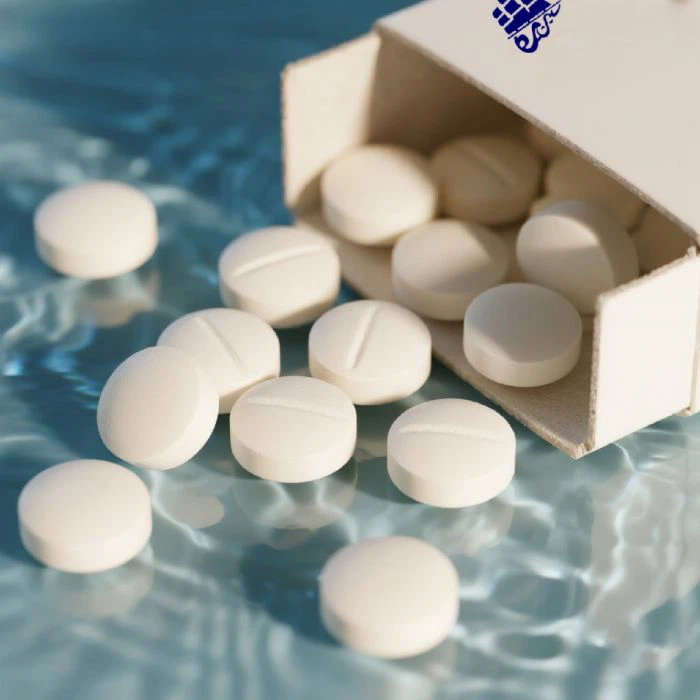


Pharmaceutical preparations refer to the processing of drug raw materials into a drug form with certain specifications that can be directly used for clinical treatment according to pharmacopoeias, preparation specifications or prescription standards.
Detailed analysis
Core definition
Preparations are the specific manifestations of finished drugs, such as amoxicillin capsules, insulin injections, etc., which convert raw materials into dosage forms suitable for medical use (such as tablets, capsules, injections, etc.) through specific processes.
Its preparation must follow the "Chinese Pharmacopoeia" or industry standards to ensure uniform specifications and clinical effectiveness.
Broad and narrow sense
Narrow sense: refers to specific finished drugs (such as "Gankang" tablets).
Broad sense: covers the discipline of pharmaceutical preparations, studying how to process drugs into safe, stable and effective dosage forms.
Function and significance
Solve the use and dosage of drugs, such as masking the bitter taste through sugar-coated tablets, or preventing protein drugs (such as insulin) from being destroyed by the digestive system through injections.
Hospital preparations also have the characteristics of small batches and strong flexibility, which can quickly meet special clinical needs.
Distinguishing between related terms
Dosage form: The physical form of drug application (such as tablets, injections), while preparations are the concrete products of dosage forms.
Pharmaceuticals: Refers to all drug preparations, including hospital-made preparations and industrially produced drugs.
Key points: The essence of preparations is the bridge connecting raw materials and clinical applications. Its design needs to comprehensively consider the properties of drugs, treatment needs and patient compliance.


