


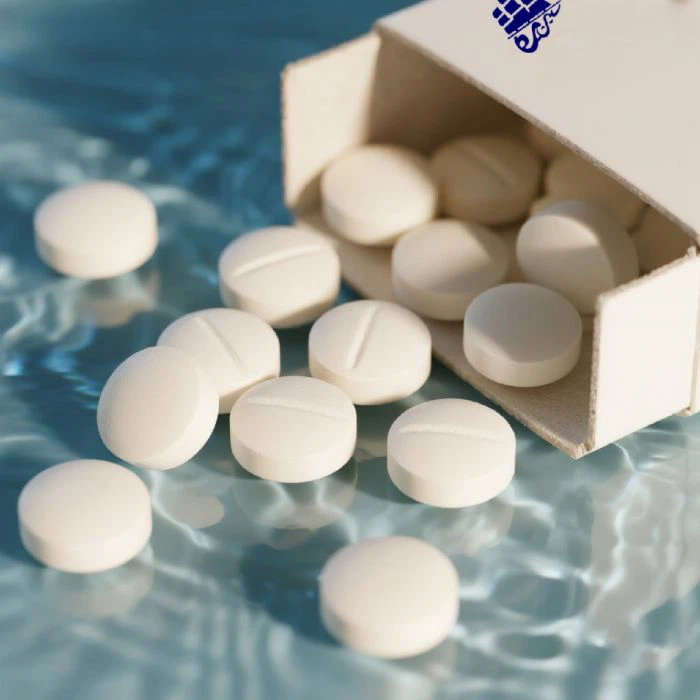


The preparation process of APIs mainly includes the following stages:
R&D stage:
Drug discovery: Search for compounds that may have therapeutic effects through computer simulation, natural product screening or chemical synthesis.
Preclinical research: Test the effectiveness, toxicity and metabolic characteristics of compounds in laboratories and animal models, and preliminarily evaluate safety.
Clinical trials: Divided into three phases for human trials to verify the efficacy and safety of drugs. This stage requires strict compliance with ethical standards, takes about 6-10 years, and has a high failure rate.
Production stage:
Raw material processing: Active ingredients (API) are prepared by chemical synthesis, biological fermentation or plant extraction, and purified to meet the standards.
Preparation processing: Combine active ingredients with excipients (such as stabilizers and fillers) to make tablets, capsules, injections and other dosage forms.
Packaging and sterilization: Select light-proof and moisture-proof packaging according to the properties of the drug. Some drugs require aseptic processing (such as injections).
Quality control:
Physical and chemical testing: Check the content, solubility and purity of drug ingredients.
Microbiological testing: Ensure sterility or microbial limit compliance.
Stability test: Simulate different environments (temperature, humidity) to verify the quality within the validity period.
Specific steps:
Raw material selection: Select appropriate raw materials for chemical reaction.
Determination of reaction conditions: Determine appropriate reaction conditions according to the needs of the chemical reaction.
Chemical reaction: Carry out chemical reaction according to the determined reaction conditions.
Product separation and purification: Obtain pure products through appropriate separation and purification methods.
Quality control and stability study: Strict quality control and stability tests are carried out on the products to ensure that they meet the standards.


