


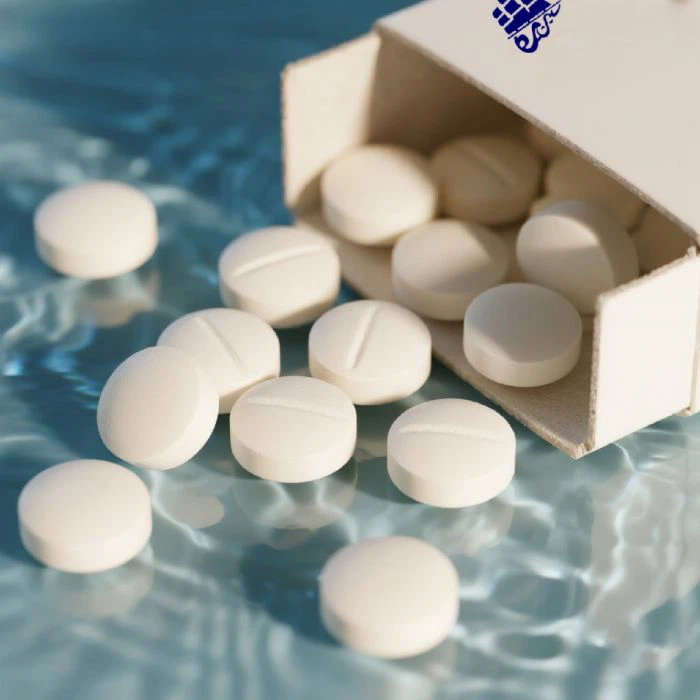


Shelf life of preparations is determined based on stability studies
Shelf life of preparations refers to the period of time during which they maintain their quality under specific storage conditions. It is usually determined by pharmaceutical companies through stability study data and marked on the production packaging. The following are the key points:
Basis for determining shelf life Core factors: The shelf life of preparations is mainly based on long-term stability test data. By simulating actual storage conditions (such as temperature and humidity), the changes in drug ingredients over time are observed to ensure efficacy and safety. Regulatory requirements: For example, ICH Q7A stipulates that accelerated and long-term stability data must be provided, and the Chinese Pharmacopoeia requires that the test be continued until the API is unstable. Calculation method of shelf life Based on the production date: The shelf life of a preparation is usually calculated from the production date (feeding date), not the shelf life of the raw materials. For example, if a tablet is marked "valid until May 2026", its production date may be May 2023. Relationship with raw materials: The shelf life of a preparation may exceed the shelf life of the raw materials because its stability is affected by the excipients and production process. For example, India's GMP stipulates that the shelf life of preparations shall not be longer than the shelf life of raw materials and excipients, but WHO and FDA have no such restrictions.
Differences in shelf life of different types of preparations Common dosage forms:
Tablets (such as aspirin): 2-3 years;
Capsules (such as amoxicillin): about 2 years;
Oral liquid (such as cough syrup): 1-2 years.
Traditional Chinese medicine preparations (such as water pills, honey pills): usually marked with 1-2 years, which needs to be shortened to several days to weeks after opening.
Relationship between storage conditions and shelf life Key requirements: It needs to be kept away from light, moisture, and cool (such as below 25°C). If stored improperly (such as high temperature or humidity), the actual shelf life may be shorter than the marked time.
Changes after opening: After opening, the shelf life is significantly shortened due to contact with air and microorganisms. For example, unopened traditional Chinese medicine liquid can be stored for 1 year, and it is recommended to take it within 5-7 days after opening.
Expiration Risk and Regulatory Liability
Legal Consequences: Using expired preparations will be treated as "selling inferior medicines" and may result in liability for medical malpractice.
Deterioration symptoms: Color changes, precipitation, odor or mildew all indicate that the product cannot be used any longer.

 English


