




The structural characteristics of preparations mainly include the following aspects:
Liquid preparations: Liquid preparations have the advantages of large drug dispersion, fast absorption, multiple routes of administration, and easy dose division, which are particularly suitable for infants and elderly patients. However, liquid preparations also have some disadvantages, such as easy to cause chemical degradation, large volume, and inconvenient to carry.
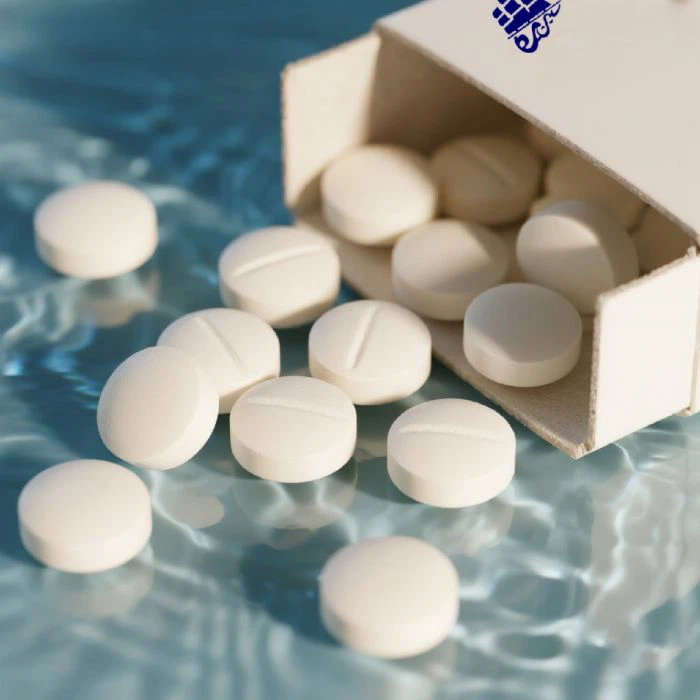
Tablets: Tablets have the advantages of accurate dosage, convenient administration, good chemical stability, and convenient transportation. However, it is not easy for young children and comatose patients to swallow, and the excipients in tablets sometimes affect the dissolution and bioavailability of drugs.
Aerosols: Aerosols have the advantages of rapid effect and positioning, closed, clean and sterile drugs, and easy use. However, their production cost is high, propellants may cause discomfort and irritation, and some ingredients may sensitize the heart.
Powders: Powders have small particle size, large specific surface area, fast onset, simple preparation process and easy dosage control. However, powders have poor stability and are easily affected by moisture and light.
Coated tablets: Coated tablets have the advantages of light-proof and moisture-proof, masking bad odors, and isolating incompatible ingredients. In addition, the surface is smooth after coating, which improves fluidity and can change the release position and speed of the drug.
Capsules: Capsules can mask the unpleasant bitterness and odor of drugs, allowing drugs to take effect quickly in the body, and can delay or position the release of drugs. However, after the capsule is broken open, it may make the drug difficult to swallow and irritate the esophagus and gastric mucosa.
Drop pills: Drop pills have the advantages of simple equipment, convenient operation, short process cycle, and high productivity. However, its disadvantages have not been clearly mentioned in the information provided.
Oral solution: Oral solution has the advantages of small dosage, good taste, fast absorption, and rapid effect. However, its cost is relatively high.
Dispersible tablets: Dispersible tablets have the characteristics of rapid disintegration and convenient administration. Its disadvantages have not been clearly mentioned in the information provided.
Granules: Granules dissolve quickly and are suitable for the elderly and children. However, it is easy to clump and mold in a hot and humid environment, and has a high impurity content and many side reactions.


