





I. Basic Pharmacological Properties of the Drug
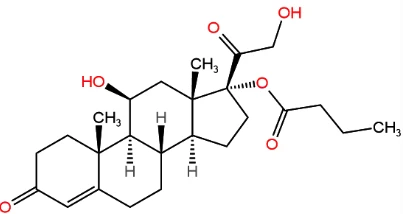
Hydrocortisone butyrate is a commonly-used topical low-potency glucocorticoid in clinical practice. As an over-the-counter dermatological agent, it features relatively high safety and a broad population of applicable users. Its core pharmacological effects include anti-inflammatory, anti-allergic, antipruritic and exudation-reducing actions. It can effectively inhibit excessive local cutaneous immune-inflammatory responses, block the release of inflammatory mediators, and rapidly relieve discomforts such as skin erythema, pruritus, papules and exudation.
Only a small amount of this drug is absorbed through the skin, and the absorption rate increases slightly at sites with broken skin. Once absorbed into the body, it is metabolized and degraded in the liver and eventually excreted via urine. Systemic adverse reactions are unlikely to occur under standardized use, making it one of the fundamental topical dermatological medicines.
II. Core Clinical Indications
In accordance with national drug standards and clinical practice guidelines, hydrocortisone butyrate is mainly indicated for various non-infectious inflammatory skin diseases sensitive to glucocorticoids, covering a wide range of common cutaneous disorders.
Allergic skin diseases constitute its primary scope of application, including allergic dermatitis, contact dermatitis, allergic eczema and so forth. Such conditions are mostly triggered by external allergen stimulation, presenting with skin erythema, papules, pruritus and mild swelling; some eczema patients may also suffer from skin exudation and crusting. Hydrocortisone butyrate can target-relieve local inflammation induced by allergy, quickly alleviate pruritus and swelling, and improve cutaneous discomforts. Meanwhile, it can be topically applied to treat mild-to-moderate atopic dermatitis in infants aged 3 months and above, with mild properties suitable for delicate infant skin.
Seborrheic dermatitis is also a typical indication. This disease tends to occur in sebaceous-gland-rich areas such as the scalp, face, chest and back, manifested as erythema, greasy scales, pruritus and flushing, with a high recurrence rate. Hydrocortisone butyrate can mitigate inflammatory responses around sebaceous glands, inhibit abnormal epidermal hyperplasia and desquamation, relieve pruritus and improve skin conditions.
In addition, the drug is indicated for neurodermatitis and lichenoid prurigo. Neurodermatitis is mostly induced by mental anxiety and local friction, characterized by skin thickening, lichenification, severe pruritus and recurrent episodes; lichenoid prurigo mainly presents with rough skin, clustered papules and intractable pruritus. This medicine can effectively soften skin lesions, reduce epidermal hyperplasia and thickening, break the vicious pruritus-scratch cycle and relieve patient discomfort.
III. Applicable Populations and Medication Scenarios
Hydrocortisone butyrate has a wide range of applications and can be used by both adults and children under standardized guidance, especially for patients with mild-to-moderate skin inflammation. Compared with medium- and high-potency corticosteroids, its mild and low-irritating properties render it more suitable for inflammatory lesions on thin-skin sites including the face, neck and medial extremities. It can also be used for mild eczema and dermatitis commonly seen in infants. Clinically, it is mostly administered during mild flare-ups of skin diseases for symptomatic relief, and is not used for severe skin disorders or large-area erosive and infected lesions.
IV. Contraindications and Precautions
While clarifying its indications, contraindications must be strictly observed to ensure medication safety. This drug is contraindicated for fungal-, bacterial- and viral-infected skin diseases, such as tinea manuum-pedis, impetigo and herpes. Glucocorticoids may suppress local immunity and accelerate the spread of infection. It is also prohibited for use on severely eroded skin, acne, rosacea and other relevant lesions.
Medication shall follow the principles of short-term, local and appropriate-dose administration. The conventional regimen is thin application to affected areas twice daily. Long-term and large-area use may trigger adverse reactions including skin atrophy, telangiectasia, pigmentation abnormalities and secondary infection. If symptoms fail to improve or worsen after administration, discontinue the drug promptly and seek medical advice to avoid blind medication.
V. Summary
Thanks to its mild yet potent anti-inflammatory, antipruritic and anti-allergic effects, hydrocortisone butyrate is primarily indicated for non-infectious inflammatory dermatoses such as allergic dermatitis, seborrheic dermatitis, eczema, neurodermatitis and lichenoid prurigo. Characterized by high safety and wide applicability, it is a household essential dermatological drug. In clinical practice, accurate matching with indications, avoidance of infectious skin diseases, and strict control over medication duration and coverage are required to maximize therapeutic efficacy, prevent adverse reactions and achieve safe and effective treatment.


