


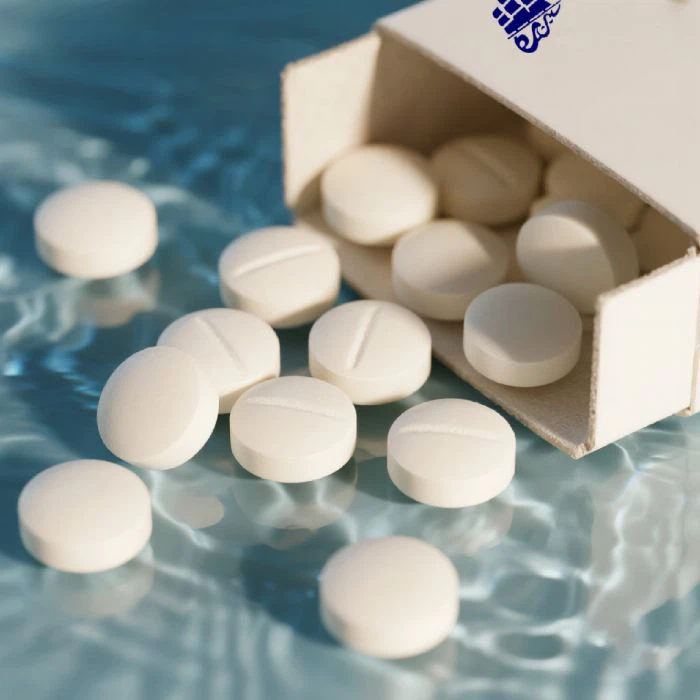


Hey there! Stress is like an unwelcome guest that shows up unannounced in our lives way too often. And one of the not - so - fun side effects of stress is inflammation. But don't worry, there are plenty of non - steroid ways to tackle stress - related inflammation. As a non - steroid supplier, I've got some great info to share with you.

First off, let's talk about diet. You are what you eat, right? A diet rich in anti - inflammatory foods can do wonders for reducing stress - related inflammation. Fruits and vegetables are a must. Berries, for example, are packed with antioxidants. Blueberries, strawberries, and raspberries are full of flavonoids, which have been shown to reduce inflammation markers in the body. They're like little warriors fighting off the bad guys that cause inflammation. Leafy greens such as spinach and kale are also superstars. They're high in vitamins and minerals, and they contain compounds that can help calm down the body's inflammatory response.
Omega - 3 fatty acids are another key player. You can find them in fatty fish like salmon, mackerel, and sardines. These fatty acids help regulate the body's immune system and reduce the production of pro - inflammatory cytokines. If you're not a fan of fish, you can also take fish oil supplements. But make sure to choose a high - quality one. Nuts and seeds are also a good source of healthy fats. Walnuts, in particular, are rich in alpha - linolenic acid (ALA), a type of omega - 3 fatty acid.
Spices are not just for adding flavor to your food; they can also fight inflammation. Turmeric is a well - known anti - inflammatory spice. It contains curcumin, which has powerful anti - inflammatory and antioxidant properties. You can add turmeric to your curries, smoothies, or even make a turmeric latte. Ginger is another great spice. It has been used for centuries in traditional medicine to treat inflammation. You can make ginger tea or add fresh ginger to your stir - fries.
Exercise is a fantastic non - steroid way to reduce stress - related inflammation. When you exercise, your body releases endorphins, which are natural mood boosters. These endorphins can also help reduce inflammation. Even moderate exercise like walking, cycling, or yoga can make a big difference. For example, yoga combines physical movement with deep breathing and meditation. It helps reduce stress hormones in the body, which in turn can lower inflammation levels. A study showed that regular yoga practice can decrease the levels of C - reactive protein (CRP), a marker of inflammation in the body.
Sleep is often overlooked, but it's crucial for reducing inflammation. When you don't get enough sleep, your body's immune system can go haywire, and inflammation levels can rise. Aim for 7 - 9 hours of quality sleep each night. Create a bedtime routine that helps you relax, like taking a warm bath, reading a book, or listening to calming music. Avoid using electronic devices before bed, as the blue light can interfere with your sleep.
Mind - body techniques are also very effective. Meditation is a great way to reduce stress and inflammation. When you meditate, you focus your mind and relax your body. This can lower the levels of stress hormones such as cortisol. There are different types of meditation, like mindfulness meditation, where you focus on the present moment without judgment. You can start with just a few minutes a day and gradually increase the time.
Acupuncture is an ancient Chinese practice that can also help with stress - related inflammation. It involves inserting thin needles into specific points on the body. Acupuncture is thought to stimulate the body's natural healing processes and reduce inflammation. Some studies have shown that it can be effective in reducing pain and inflammation associated with stress.
Now, let's talk about some non - steroid products that can help. Abiraterone Acetate is one such product. It has properties that can help in managing certain conditions related to inflammation. It's a great option for those looking for non - steroid solutions.
Feprazone is another non - steroid product. It has anti - inflammatory and analgesic effects. It can be used to relieve pain and reduce inflammation caused by stress.
Zaleplon 151319 - 34 - 5 is also worth mentioning. It can play a role in helping the body deal with stress - related issues and potentially reduce inflammation.
If you're interested in these non - steroid products or want to learn more about other non - steroid solutions for stress - related inflammation, don't hesitate to reach out. We're here to help you find the best options for your needs. Whether you're an individual looking for a natural way to reduce inflammation or a business in the healthcare industry, we can have a chat and see how we can work together.
In conclusion, stress - related inflammation doesn't have to be a permanent problem. By making some lifestyle changes, using mind - body techniques, and considering non - steroid products, you can effectively reduce inflammation and improve your overall health. So, take control of your stress and inflammation today!
References
- "The Inflammatory Response to Acute Stress: Implications for Cardiovascular Disease" by Steptoe, A., Hamer, M., & Chida, Y.
- "Yoga and Inflammation: A Systematic Review of the Literature" by Pace, T. W., et al.
- "Dietary Patterns and Inflammatory Markers in Healthy Adults" by Fung, T. T., et al.


