





1. Policy Change Background and Disease Market Base
The reclassification of budesonide nasal spray as an over-the-counter (OTC) drug marks a far-reaching event in the pharmaceutical industry following the cancellation of phenolphthalein tablets. Budesonide is mainly indicated for the treatment of seasonal and perennial allergic rhinitis, as well as perennial non-allergic rhinitis. According to data from the 2008 publication Allergic Rhinitis and Its Impact on Asthma (ARIA), there are 600 million patients with allergic rhinitis worldwide, and the patient population continues to expand.
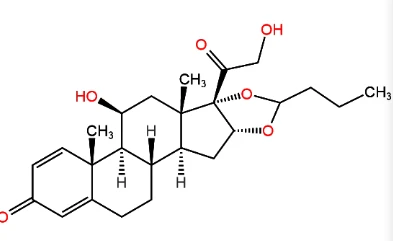
2. Logic of Market Growth Brought by OTC Conversion
Reclassifying budesonide from prescription-only medicine (Rx) to OTC will most evidently drive a substantial increase in sales volume. Rhinitis represents an inelastic healthcare demand; simplified purchasing thresholds and procedures will significantly boost consumer traffic. Epidemiological statistics on allergic rhinitis in China remain incomplete, with marked disparities in prevalence across regions. High-incidence areas include Chongqing, Chengdu, Urumqi and Nanning, where prevalence rates range from 30% to 37%. As a first-line clinical therapy for rhinitis, budesonide rapidly alleviates acute nasal inflammation.
3. Actual Harms and Prevention & Control Challenges of Allergic Rhinitis
(3.1) Hidden Traffic Safety Hazards Triggered by Rhinitis Flare-ups
A fatal safety incident once occurred in Japan where a tinea pedis medicine contained hypnotic ingredients, resulting in patient deaths. Drowsiness after medication is a typical secondary drug risk, while allergic rhinitis itself can also induce dangerous accidents. Simulated clinical tests by physicians show that continuous sneezing during rhinitis attacks causes involuntary body movements such as leaning back, closing eyes and sudden head lowering, elevating driving accident risks to a level equivalent to drunk driving. Allergic rhinitis is mostly triggered by external irritants with no gradual prodromal symptoms, and symptoms can erupt immediately upon allergen exposure. Avoiding allergens is the fundamental preventive measure; however, constrained by work schedules and financial conditions, most people in China cannot fully isolate themselves from sensitizing substances.
(3.2) High-Cost Allergen Avoidance Solutions Unsuitable for the General Chinese Population
Financially well-off individuals can undergo allergen screening to implement targeted avoidance measures, with protection particularly critical during pollen seasons. Japan boasts abundant cherry blossoms and extensive wind-pollinated cedar plantations; local weather forecasts synchronously release bloom timetables for cherry blossoms and cedars, balancing tourism economy and protection for allergy sufferers. In some U.S. states, schools organize off-site study trips during local peak pollen periods to help students evade allergens environmentally. Although relocation and off-site allergen avoidance effectively reduce attack frequency, their high economic costs render them impractical for ordinary residents.
4. Domestic Medical Demand and Budesonide Product Landscape
Ordinary Chinese residents rarely relocate to escape pollen seasons-for instance, northern populations will not transfer schools or move homes to avoid wheat pollen. Pharmacotherapy has thus become a necessity for the vast majority, with budesonide as the clinical first choice. Ten formulations of budesonide are currently marketed domestically. Rhinitis cannot be permanently cured, and repeat repurchasing constitutes the core revenue model for such nasal medications. OTC status enables consumers to purchase medicines independently and conveniently, allowing pharmaceutical companies to build a stable loyal customer base via product advantages. Established medication habits further strengthen brand competitiveness. Meanwhile, the industry landscape faces volatility driven by pricing policies including volume-based centralized procurement.
5. Safety Risks and Usage Restrictions of Corticosteroid Drugs
Budesonide is a glucocorticoid preparation with defined medication risks; improper administration may trigger systemic adverse hormonal reactions, analogous to previously publicized side effect cases such as moon face and enlarged heads in infants. Strict age limits apply: use is not recommended for children under 6 years old; children aged 6–12 must use the product under physician supervision. Medication should be discontinued immediately upon any allergic reaction during use. Blind self-medication may compound multiple complications and exacerbate physical discomfort. The current window for revision of drug instructions also serves as a pivotal period for enterprises to adjust business strategies.
6. Industry Regulatory Trends and Enterprise Development Prospects
The overarching regulatory trend in the long run is to liberalize mature, low-risk established drugs and grant patients greater autonomy in medication selection. However, such reclassification is not permanent; should subsequent risks outweigh therapeutic benefits, the drug may be reverted to prescription-only status. Policy relaxation unlocks market potential, yet actual sales growth ultimately hinges on pharmaceutical manufacturers' operational planning, product portfolios and marketing strategies.


