


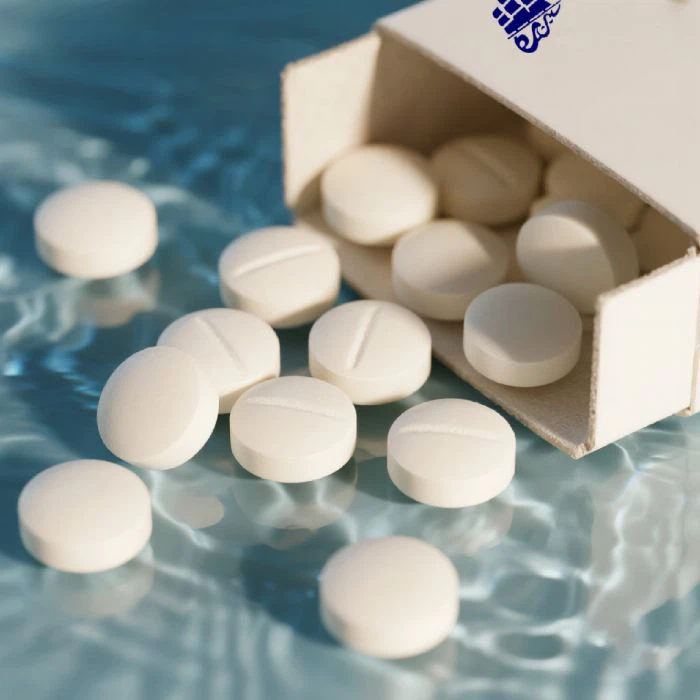


Tauroursodeoxycholic acid (TUDCA) is a natural water-soluble bile acid and one of the core therapeutic agents for hepatobiliary disorders in clinical practice. Compared with ordinary ursodeoxycholic acid (UDCA), it features stronger water solubility, higher bioavailability and superior liver-targeting property. It can effectively regulate bile metabolism, protect hepatocytes and improve biliary tract function. Owing to its unique pharmacological properties, this drug is widely applied in the treatment of diseases involving the biliary tract, liver, gastrointestinal tract and other multiple systems, serving as a classical drug commonly used in gastroenterology. This article systematically summarizes its core clinical application scenarios and clarifies its clinical value and scope of indications.
I. Basis of Core Pharmacological Actions
The clinical efficacy of tauroursodeoxycholic acid relies on multiple pharmacological mechanisms. First, it competitively inhibits intestinal cholesterol absorption, reduces cholesterol saturation in bile, disrupts the pathological balance for cholesterol crystal formation, thereby inhibiting stone genesis from the root cause and facilitating dissolution of small calculi. Second, it protects hepatocyte membranes, alleviates inflammation, necrosis and apoptosis of hepatocytes induced by cholestasis, and repairs impaired liver function. Third, it modulates bile secretion, dilutes thick bile, improves biliary microcirculation and relieves cholestatic manifestations. Meanwhile, the drug exerts marked anti-inflammatory and antioxidant effects to mitigate chronic inflammatory injury of the biliary tract and liver. It has a favorable safety profile and is suitable for long-term standardized medication.
II. Litholysis, Prevention and Treatment of Biliary Calculi
Cholesterol gallstones represent the most classic and well-established indication of tauroursodeoxycholic acid, which also serves as the preferred non-surgical regimen in clinical settings. This drug is mainly indicated for simple X-ray permeable cholesterol gallstones with a diameter less than 2 cm,
especially for patients with well-preserved gallbladder function who refuse surgery or cannot tolerate surgical intervention. Clinical studies have confirmed that it can gradually dissolve cholesterol components on the surface of stones, reduce stone volume, and ultimately achieve complete ablation of small calculi, effectively avoiding the risk of surgical trauma.
In addition to gallstones, the drug can be used as adjuvant therapy for tiny cholesterol calculi in the common bile duct and for preventing recurrence after biliary stone surgery. Patients post cholelithotomy often suffer from disturbed bile metabolism and a high tendency toward cholesterol supersaturation, which leads to elevated recurrence risk. Long-term standardized administration of this drug can modulate bile composition and markedly lower stone recurrence rate. Compared with traditional cholagogues, it has higher litholysis specificity, acting only on cholesterol stones and showing no effect on calcified stones or pigment stones. Indications should be strictly controlled in clinical practice.
III. First-line Therapy for Cholestatic Liver Diseases
Tauroursodeoxycholic acid is a first-line agent for multiple chronic cholestatic liver diseases and occupies a central position in liver disease diagnosis and treatment guidelines. For primary biliary cholangitis (PBC), it is currently recognized as the first-choice treatment. It can significantly reduce abnormal liver function markers such as alkaline phosphatase and gamma-glutamyl transpeptidase, delay the progression of liver fibrosis and cirrhosis, prolong transplant-free survival and decrease long-term mortality risk. Clinical data demonstrate that patients receiving standardized treatment at an early stage can achieve effective suppression of disease progression and notable improvement in quality of life.
Meanwhile, the drug can be applied to treat various secondary cholestatic liver diseases, including drug-induced liver injury, viral hepatitis complicated with cholestasis, and cholestasis after biliary atresia repair. For patients with poor bile excretion and hepatocellular cholestatic injury following hepatobiliary surgery or biliary obstruction relief, medication can rapidly improve bile circulation, reduce toxic damage of bile to hepatocytes and promote recovery of liver function. Furthermore, in adjuvant management of liver disease associated with cystic fibrosis, it can effectively ameliorate cholestasis and preserve hepatic function.

IV. Symptomatic Treatment of Bile Reflux Gastropathy
Bile reflux gastritis constitutes an important expanded clinical application of this drug. Dysfunction of the pyloric sphincter and gastrointestinal hypomotility tend to cause bile reflux into the stomach, eroding gastric mucosa and triggering symptoms such as acid regurgitation, heartburn, epigastric dull pain and abdominal distension. Conventional acid-suppressing and gastroprotective agents often yield limited therapeutic effects. Tauroursodeoxycholic acid can alter the compositional structure of refluxed bile, reduce the irritancy and corrosiveness of bile acids toward gastric mucosa, and regulate the peristaltic rhythm of gastrointestinal and biliary tracts to decrease the frequency of bile reflux.
Clinical practice indicates that combined therapy with tauroursodeoxycholic acid, gastric mucosal protectants and prokinetic agents for bile reflux gastritis can substantially relieve clinical symptoms, repair damaged gastric mucosa and reduce disease recurrence rate. It is an effective regimen for refractory bile reflux gastropathy in clinical practice. Its mechanism of action differs from traditional gastric drugs; it targets the core etiology of bile reflux and compensates for the shortcomings of conventional treatment.
V. Other Adjuvant Clinical Applications
Beyond its core indications, tauroursodeoxycholic acid is also used as adjuvant therapy for a variety of disorders. For bile acid-induced steatorrhea resulting from ileal resection and intestinal malabsorption, it can relieve diarrhea by regulating bile metabolism and improving intestinal lipid digestion and absorption. In addition, it can prevent cholestasis and stone formation induced by prolonged fasting, parenteral nutrition and drug stimulation, serving as a prophylactic medication for hepatobiliary injury in high-risk populations. Moreover, in adjuvant therapy for some chronic liver diseases and fatty liver, it assists in improving hepatic metabolic status via anti-inflammation, liver protection and lipid metabolism regulation.
VI. Conclusion
With multiple pharmacological effects including litholysis and cholagogic action, hepatoprotection and tissue repair, mucosal protection, as well as anti-inflammatory and antioxidant activities, tauroursodeoxycholic acid has formed a core clinical application system covering biliary calculi, cholestatic liver diseases and bile reflux gastropathy. It also plays a vital role in prevention and adjuvant treatment of a wide range of hepatobiliary and gastrointestinal disorders. Boasting definite efficacy, high safety and good tolerability, it is an indispensable classical drug in gastroenterology and hepatology. In clinical use, indications must be strictly observed. Individualized medication regimens should be formulated according to patient conditions to maximize its pharmacological value and realize precision therapy.


