




Introduction
Glibenclamide Tablets. The indications are that it is suitable for patients with mild to moderate non-insulin-dependent diabetes mellitus whose therapeutic effect of diet control alone is not satisfactory, and the patients' β pancreatic islet cells have a certain insulin-secreting function, and there are no serious complications.
Details
【Drug Name】
Generic name: Glibenclamide Tablets
English name: Glibenclamide Tablets
【Ingredients】 Glibenclamide.
Chemical name: N-[2-[4-[[[(Cylcohexylamin) carbonyl] amino] sulphonyl] phenyl] ethyl]-2-methoxy-5-Chloro-benzamide
Molecular formula: C23H28CIN3O5S
Molecular weight: 494.01
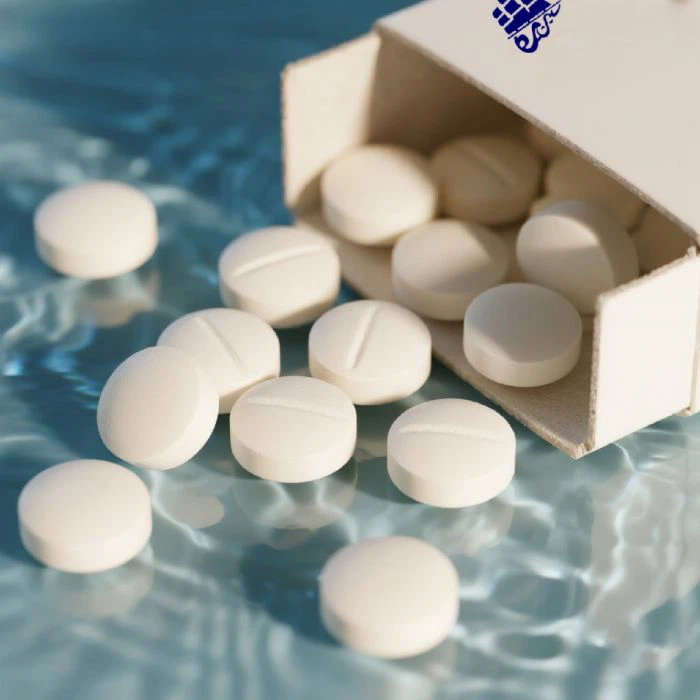
【Description】A white tablet.
【Indications】Glibenclamide tablet is applicable to mild and moderate type II diabetes patients who are not satisfied with the efficacy of diet control alone. The islet β cells of these patients still have a certain insulin secretion function, and there are no serious complications.
【Specification】 2.5mg
【Dosage and administration】 Oral, start with 2.5mg (1 tablet), once before breakfast or before breakfast and lunch. For mild cases, take 1.25mg (half tablet) , three times a day, before three meals, and gradually increase to 2.5mg (1 tablet) per day after 7 days. The general dosage is 5-10mg (2 to 4 tablets) per day, and the maximum dosage should not exceed 15mg (6 tablets) per day.
【Adverse reactions】 1. May include diarrhea, nausea, vomiting, headache, stomach pain, or discomfort;
2.Rarely seen are rashes;
3.Rare and severe conditions include jaundice, liver dysfunction, bone marrow suppression, granulocytopenia (manifested as sore throat, fever, infection), thrombocytopenia (manifested as bleeding, purpura), etc.
【Contraindication】The following conditions should be prohibited: 1. Type I diabetes patients;
2.Type II diabetic patients are accompanied by ketoacidosis, coma, severe burns, infection, trauma, major surgery and other stress conditions;
3.Patients with liver and kidney dysfunction;
4.Individuals allergic to sulfonamide drugs;
5.Patients with decreased white blood cells.
【Precautions】
1.The following situations should be used with caution: weak constitution, high fever, nausea and vomiting, hyperthyroidism, and elderly people.
2.During the medicine period, blood glucose, urine glucose, urine ketones, urine protein, liver and kidney function should be regularly measured, and ophthalmic examinations should be conducted.
【Pregnant and lactating women】
1. Animal experiments and clinical observations have shown that sulfonylurea hypoglycemic drugs can cause stillbirth and fetal malformation, and pregnant women should not take them.
2. This type of medicine can be excreted through breast milk and should not be taken by lactating mothers to prevent low blood sugar in infants.
【Children】 Not clear.
【Elderly Patients】 Elderly patients and those with renal dysfunction have decreased metabolism and excretion ability of this class of drugs. This product has a relatively strong hypoglycemic effect and should not be used. Other sulfonylurea hypoglycemic drugs with shorter action times can be used.
【Drug Interactions】
1. When taken with alcohol, it can cause abdominal cramps, nausea, vomiting, headaches, facial flushing, and hypoglycemia.
2. Combined use with beta blockers can increase the risk of hypoglycemia and mask symptoms of hypoglycemia, such as increased pulse rate and elevated blood pressure; The likelihood of this condition being caused by the use of small amounts of selective beta blockers such as atenolol and metoprolol is relatively low.
3. Chloramphenicol, guanidine, insulin, monoamine oxidase inhibitors, prednisone, hydroxyprednisone, probenecid, salicylates, sulfonamides can be used together with this product to enhance its hypoglycemic effect.
4. Corticosteroids, adrenaline, phenytoin sodium, thiazide diuretics, and thyroxine can increase blood glucose levels. When used in combination with these drugs, the dosage of the drug may need to be increased.
5. When coumarin anticoagulants are used together with this class of drugs, the initial plasma concentrations of both drugs increase, but later both plasma concentrations decrease, so it is necessary to adjust the dosage of both drugs.
【Overdosage】 Not clear.
【Pharmacology and toxicology】 This product is a hypoglycemic drug.
1.Stimulate pancreatic beta cells to secrete insulin, with the prerequisite being that pancreatic beta cells still have certain functions of synthesizing and secreting insulin; 2. By increasing the level of portal vein insulin or directly acting on the liver, inhibiting hepatic glycogen breakdown and gluconeogenesis, the production and output of glucose in the liver are reduced;
3.It may also increase the sensitivity of extrapancreatic tissue to insulin and the utilization of sugar (possibly mainly through receptor post action), therefore, the overall effect is to lower fasting and postprandial blood glucose.
【Pharmacokinetics】 Oral absorption is fast, with a high protein binding rate of 95%. The blood drug concentration peaks 2-5 hours after oral administration and lasts for 24 hours. The half-life is 10 hours. Metabolized in the liver, 50% is excreted by the liver and 50% by the kidneys.
【Storage】 Sealed.
【Package】Oral solid drug, packed in high-density polyethylene bottle, 100 tablets per bottle, one bottle per box.
【Validity】36 months.
【Standard】Ch.P. 2020, Part II.
【Drug approval number】Guoyao Zhunzi H12020790
Hot Tags: glibenclamide tablets 2.5mg, China glibenclamide tablets 2.5mg manufacturers, suppliers, factory, Theophylline Sustained release Tablets, Glibenclamide Tablets 2 5mg, Aminopyrine Caffeine and Calcium Glycerophosphate Tablets, Metformin Hydrochloride Tablets 0 25g, Nitrendipine Tablets, Nifedipine Tablets


