




Introduction
Zaleplon Tablets are indicated for the short-term treatment of insomnia in patients with difficulty falling asleep. Clinical research results show that zaleplon can shorten the time to fall asleep, but it has not been demonstrated that it can increase the total sleep time and reduce the number of awakenings.
Details
【Drug Name】
Generic Name: Zaleplon Tablets
Trade Name: Huining
English Name: Zaleplon Tablets
【Ingredients】Zaleplon.
Chemical Name: N - [3 - (3 - cyanopyrazolo[1,5 - a]pyrimidin - 7 - yl)phenyl] - N - ethylacetamide
Molecular Formula: C17H15N5O
Molecular Weight: 305.33
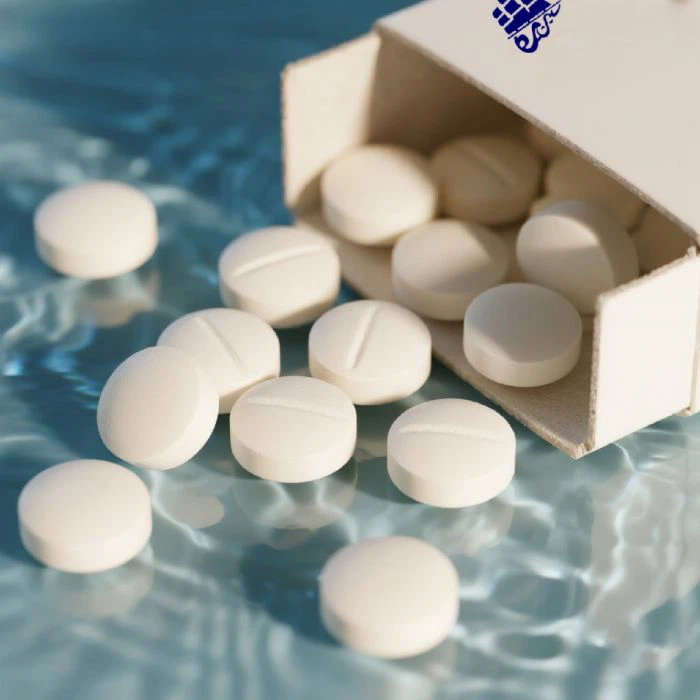
【Properties】This product is a film-coated tablet. After removing the coating, it appears white or off-white.
【Indications】
It is applicable to the short-term treatment of insomnia with difficulty in falling asleep. Clinical research shows that it can shorten the time to sleep, but it has not been shown to increase the sleep duration and reduce the number of awakenings.
【Specifications】5mg
【Usage and Dosage】 For adults, the oral dosage is 5mg - 10mg (1 - 2 tablets), taken before going to bed or when having difficulty falling asleep. For patients with a lighter body weight, the recommended dosage is 5mg (1 tablet) once. For elderly patients, diabetic patients, and patients with mild to moderate liver insufficiency, the recommended dosage is 5mg (1 tablet) once a night. The duration is limited to 7-10 days. If the condition has not improved after 7-10 days of taking the medicine, the doctor should re-evaluate the cause of the patient's insomnia.
【Adverse Reactions】After taking zaleplon, the following mild adverse reactions may occur: headache, drowsiness, dizziness, dry mouth, sweating, anorexia, abdominal pain, nausea, vomiting, fatigue, memory difficulties, dreaminess,low mood, tremors, unsteadiness when standing, diplopia and other vision problems, and mental confusion. Other adverse reactions include:
① After taking zaleplon (10 or 20mg), short-term memory loss may occur about 1 hour later. The effect is stronger at a 20mg dose, but this effect disappears after 2 hours.
② After taking zaleplon (10 or 20mg), the expected sedative and mental disorder effects occur about 1 hour later, but this effect disappears after 2 hours.
③ Rebound insomnia is dose-dependent. Clinical trials show that there is no or very little rebound insomnia on the first night after stopping the drug in the 5mg and 10mg groups, and there is some in the 20mg group, but it disappears on the second night.
④ Transient leukocytosis is occasionally seen.
⑤ Transient elevation of transaminase is occasionally seen.
【Contraindications】
1. Contraindicated in patients allergic to this product.
2. Contraindicated in patients with severe liver and kidney insufficiency.
3. Contraindicated in patients with sleep apnea syndrome.
4. Contraindicated in patients with myasthenia gravis.
5. Contraindicated in patients with severe dyspnea or chest diseases.
【Precautions】To ensure the safe and effective use of zaleplon, the following precautions must be noted:
1. This product is a second-class psychotropic drug under special national control. It must be used strictly in accordance with the national regulations on psychotropic drugs and under the guidance of a doctor.
2. Do not exceed the usage period prescribed by the doctor. Long-term use may cause dependence. Patients with a history of drug abuse should use it with caution.
3. If behavioral and mental abnormalities are found after taking zaleplon, contact the doctor.
4. Inform the doctor of all the drugs you may be taking, including over-the-counter drugs. If you drink alcohol, you should also tell the doctor. Alcohol is prohibited during the use of zaleplon or other sleeping pills.
5. Do not use this product unless more than 4 hours of sleep can be ensured.
6. Do not increase the dosage of zaleplon without the doctor's guidance.
7. When taking zaleplon or other sleeping pills for the first time, be aware that these drugs may still have some effects the next day. Be cautious when activities that require a clear mind, such as driving a car or operating machinery.
8. Difficulty in falling asleep may occur on the first or second night after stopping the drug.
9. If you are pregnant, about to be pregnant, or breastfeeding, tell the doctor.
10. Do not share zaleplon with others. Keep the medicine out of the reach of children.
11. If you have depression, tell the doctor. The doctor should prescribe the minimum amount of drugs to patients with depression to prevent overdose.
12. Zaleplon takes effect quickly. It should be taken immediately before going to bed or when having difficulty falling asleep in bed.
13. To make zaleplon work better, do not take this product immediately after a high-fat meal.
14. Since the adverse reactions of zaleplon are dose-related, the lowest dose should be used as much as possible, especially for the elderly.
15. When used in combination with drugs acting on the brain, the after-effects may be aggravated due to synergistic effects, resulting in drowsiness in the morning. These drugs include: drugs for treating mental diseases (such as antipsychotics, hypnotics, anxiolytics, sedatives, antidepressants), anesthetics, and drugs for treating allergic reactions (such as sedating anti-histamines).
【Use in Pregnant and Lactating Women】The safety of taking this product during pregnancy has not been confirmed by data, and this product is metabolized into breast milk. Therefore, this product is contraindicated in lactating mothers, and women who are about to be or are already pregnant.
【Use in Children】The safety of this product in children has not been confirmed by data, so this product is contraindicated in children (under 18 years old).
【Use in Elderly Patients】This product can be used in elderly patients, including those over 75 years old. Compared with healthy volunteers, the pharmacokinetics of this product in elderly patients and elderly women, including those over 75 years old,do not show significant differences. Since elderly patients are more sensitive to the effects of sleeping pills, the recommended dosage is 5mg.
【Drug Interactions】
With Central Nervous System Drugs
Ethanol: This product can enhance the damage effect of ethanol on the central nervous system, but does not affect the pharmacokinetics of ethanol.
Imipramine: After the combination of this product and imipramine, the degree of wakefulness is reduced, and the motor-mental action ability is impaired. The interaction is pharmacodynamic, without pharmacokinetic changes.
Paroxetine: There is no interaction when this product is combined with paroxetine.
Thioridazine: After the combination of this product and thioridazine, the degree of wakefulness is reduced, and the motor-mental action ability is impaired. The interaction is pharmacodynamic, without pharmacokinetic changes.
With Enzyme-Inducing/Inhibiting Drugs: When combined with enzyme-inducing agents such as Rifampicin, the Cmax and AUC of this product are reduced by 4 times.
With Diphenhydramine: There is no pharmacokinetic interaction, but since both have sedative effects, special attention should be paid when using them in combination.
With Drugs Affecting Renal Elimination: There is no significant pharmacokinetic change when combined with Ibuprofen.
【Drug Overdose】There is little research on zaleplon overdose. In pre-clinical studies, it was noted that overdose of the drug has central nervous system inhibitory effects. Mild symptoms include: drowsiness, lethargy, and confusion. Severe symptoms include: ataxia, hypomyotonia, hypotension, and sometimes coma and even death.
Recommended Treatment:Treat according to the general principles of drug overdose treatment, and maintain supportive and symptomatic treatment. Animal studies show that Flumazenil can antagonize zaleplon, but it has not been used clinically.
【Pharmacology and Toxicology】
Pharmacological Action
As a hypnotic, the chemical structure of zaleplon is different from benzodiazepines, barbiturates, and other known hypnotics. It may exert its pharmacological effect by acting on the γ aminobutyric acid-benzodiazepine (GABA-BZ) receptor complex. Non-clinical studies show that zaleplon can selectively bind to the ω1 receptor of the α subunit of the brain GABA receptor complex. The binding experiment results of zaleplon to purified GABA receptors ((α)1β1γ2[ω-1] and (α)2β1γ2[ω-1]) show that its affinity for the above-mentioned receptors is low, and it preferentially binds to the ω-1 receptor.
Toxicological Studies
Reproductive Toxicity
In the reproductive toxicity test, rats were orally administered zaleplon at 100mg/kg/day (converted according to body surface area, approximately 49 times the maximum recommended human dose) before mating, which could lead to animal death and decreased fertility. Subsequent studies showed that zaleplon mainly caused damage to the fertility of female animals. During the teratogenic sensitive period, pregnant rats and rabbits were orally administered zaleplon up to 100 and 50mg/kg/day respectively (converted according to body surface area, approximately 49 times and 48 times the maximum recommended human dose), and no obvious teratogenic effects were observed. However, after rats were orally administered zaleplon at 100mg/kg/day, the fetuses showed developmental abnormalities before and after birth. This dose could also cause maternal toxicity, resulting in toxic signs and slow body weight increase during the dosing period. The dose without an impact on the generational development of rats was 10mg/kg/7 days (converted according to body surface area, approximately 5 times the maximum recommended human dose). At all dosing doses, the development of embryos and fetuses in rabbits was not affected. In the perinatal test, female rats were administered zaleplon at 7mg/kg/day during the late pregnancy and lactation period. The stillbirth and post - natal mortality of the generational animals increased, and the growth and physical development slowed down. No maternal toxicity was observed at this dose. The dose without an impact on the generational development was 1mg/kg/day (converted according to body surface area, approximately 0.5 times the maximum recommended human dose). The study shows that exposure of offspring animals to the drug in utero and during lactation may lead to adverse reactions in their viability and development.
Genetic Toxicity
In the in vitro Chinese hamster ovary cell chromosome aberration test, whether there is a metabolic activator or not, zaleplon has a mutagenic effect, which can cause chromosomal structural and numerical aberrations (polyploidy and endoreduplication). In the in vitro lymphocyte test, only at its highest test concentration and under the condition of a metabolic activator can it cause chromosomal numerical aberrations. Zaleplon showed no mutagenicity in the in vitro Ames bacterial test and the Chinese hamster ovary HGPRT gene mutation test, no clastogenic effect in the mouse bone marrow micronucleus test and the hamster bone marrow chromosome aberration test, and no DNA damage in the rat hepatocyte unscheduled DNA synthesis test.
Carcinogenicity
Lifetime carcinogenicity tests were carried out on rats and mice. Mice were continuously orally administered zaleplon at 25, 50, 100, and 200mg/kg/day for 2 years (converted according to body surface area, approximately 6 - 49 times the maximum recommended human dose). The incidence of hepatocellular adenoma in female mice in the high - dose group was significantly increased. Hamsters were continuously orally administered zaleplon at 1, 10, 20mg/kg/day for 2 years (converted according to body surface area, approximately 0.5 - 10 times the maximum recommended human dose), and no obvious carcinogenicity was observed.
【Pharmacokinetics】According to foreign literature reports, the pharmacokinetics of zaleplon was studied in more than 500 healthy people (including young and old), lactating women, and patients with liver or kidney diseases. In healthy subjects, the pharmacokinetics of single - dose administration of 60mg and once - daily administration of 15mg, 30mg for 10 days were studied. Zaleplon is rapidly absorbed, reaching the peak concentration in about 1 hour, and the elimination half - life (t1/2) is about 1 hour. Once-daily administration of zaleplon does not cause drug accumulation, and within the therapeutic range, its pharmacokinetics is dose - proportional.
1. Absorption
After oral administration of zaleplon, it is rapidly and completely absorbed, reaching the peak plasma concentration in about 1 hour. Its absolute bioavailability is approximately 30%. There is a significant first-pass effect.
2. Distribution
Zaleplon is a lipophilic compound. After intravenous administration, the volume of distribution is approximately 1.4L/kg. The in vitro plasma protein binding rate is approximately 60%±15%, and it is not affected by the concentration range of zaleplon from 10 - 1000mg/ml, indicating that zaleplon is not sensitive to changes in protein binding rate. The ratio of zaleplon in blood and plasma is approximately 1, indicating that zaleplon is evenly distributed throughout the blood without extensive distribution in red blood cells.
3. Metabolism
After oral administration, zaleplon is widely metabolized. In urine, less than 1% of the dose is the original drug. Zaleplon is mainly converted to 5-oxy-desethyl zaleplon by aldehyde oxidase. Zaleplon is rarely metabolized to desethyl zaleplon by CYP3A4 and is quickly converted to 5-oxy-desethyl zaleplon by aldehyde oxidase. These metabolites are then converted into glucuronic acid compounds and excreted in urine. All zaleplon metabolites have no pharmacological activity.
4. Excretion
After oral or intravenous administration, zaleplon is rapidly eliminated. The average t1/2 is about 1 hour. The oral plasma clearance rate of zaleplon is approximately 3L/h/kg, and the intravenous plasma clearance rate is approximately 1L/h/kg. If the hepatic blood flow is normal and renal clearance is ignored, the estimated hepatic extraction rate of zaleplon is 0.7, indicating that the first-pass effect of zaleplon is very significant.
After taking radiolabeled zaleplon, 70% can be recovered in urine within 48 hours (71% can be recovered within 6 days), including all zaleplon metabolites and their glucuronides. In addition, 17% can be recovered in feces, mainly 5-oxy-zaleplon.
5. Effect of Food
In healthy adults, high-fat and indigestible foods can prolong the absorption of zaleplon, with a delay of approximately 2 hours, and the Cmax is reduced by approximately 35%. The AUC and elimination half-life of zaleplon are not significantly affected. This indicates that taking zaleplon immediately after a high-fat and indigestible meal will affect its onset time.
The results of three pharmacokinetic studies of zaleplon in the elderly show that the pharmacokinetics of zaleplon in the elderly is not significantly different from that in young people.
Gender: There is no significant difference in the pharmacokinetics of zaleplon between men and women.
Race: Using the white race as a representative of Asians, a pharmacokinetic study of zaleplon was conducted. For this group, the Cmax and AUC were increased by 37% and 64% respectively. This may be related to differences in body weight, or it may be due to differences in enzyme activity caused by diet, environment, or other factors.
Liver Damage: Zaleplon is first metabolized by the liver and then undergoes systemic metabolism. Its oral clearance rate is reduced by 70% and 87% in compensated and decompensated patients respectively. Compared with healthy people, this leads to a significant decrease in the average Cmax and AUC. Therefore, patients with mild to moderate liver damage should reduce the dosage of zaleplon appropriately. Patients with severe liver damage are not recommended to take zaleplon.
Kidney Damage: Since less than 1% of the original drug of zaleplon is excreted by the kidneys, there is no significant change in its pharmacokinetics in patients with renal insufficiency. Therefore, there is no need to adjust the dosage for patients with mild to moderate renal damage, but further research is needed for patients with severe renal damage.
【Storage】Store in a dark place and seal.
【Packaging】Packed in medicinal PVC hard sheets and PTP aluminum foil blister packs. 14 tablets per plate, 1 plate per box.
【Expiry Date】24 months
【Standard】Ch.P. 2020, Part II.
【Approval Number】Guoyao Zhunzi H20052234
【Features】
1. Quick onset, significantly reducing sleep time
2. Clear quickly, truly without hangover effect
3. Almost no impact on cognitive and psychomotor functions
4. No withdrawal symptoms, less rebound insomnia after discontinuation of medication
Hot Tags: zaleplon tablets, China zaleplon tablets manufacturers, suppliers, factory, Etidronate Disodium Tablets, Metformin Hydrochloride Tablets 0 25g, Aminopyrine Caffeine and Calcium Glycerophosphate Tablets, Nitrendipine Tablets, Propiverine Hydrochloride Tablets, Indapamide Tablets


