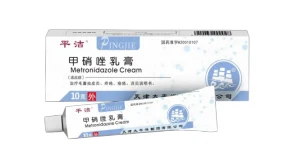


Introduction
Ketoconazole Cream is indicated for tinea manuum, tinea pedis, tinea corporis, tinea cruris, tinea versicolor, and cutaneous candidiasis.
Details
[Specification] 2%.
[Packaging] Medicinal plastic ointment tube packaging. 10 grams per bottle, 1 bottle per box.
[Validity period] 24 months.
General Information
Drug Name: Ketoconazole Cream
Main Ingredient: Ketoconazole. It is an antifungal agent that works by inhibiting the synthesis of ergosterol in the fungal cell membrane, thereby disrupting the integrity and function of the fungal cell membrane.
Indications
It is indicated for a variety of fungal skin infections, including tinea manuum (hand fungus), tinea pedis (foot fungus), tinea corporis (body fungus), tinea cruris (groin fungus), tinea versicolor (pityriasis versicolor), and cutaneous candidiasis (skin candida infection).
Pharmacological Actions
Antifungal Activity: Ketoconazole has broad - spectrum antifungal effects, being effective against both dermatophytes (such as Trichophyton, Microsporum, and Epidermophyton) and yeasts (such as Candida albicans). It penetrates the fungal cell membrane and inhibits the activity of cytochrome P - 450 - dependent enzymes, which are essential for ergosterol biosynthesis. The resulting decrease in ergosterol content weakens the fungal cell membrane, making the fungus more vulnerable to environmental factors and leading to its death.
Dosage and Administration
The cream is usually applied topically to the affected area once or twice daily. Gently clean and dry the affected skin before application. Then, apply a thin layer of the cream and gently rub it into the skin until fully absorbed. The course of treatment depends on the type and severity of the fungal infection. Generally, for tinea infections, treatment may last for 2 - 4 weeks, while for cutaneous candidiasis, it may be 1 - 2 weeks. However, it is important to follow the doctor's advice regarding the specific dosage and duration of treatment.
Contraindications
Hypersensitivity to ketoconazole or any other ingredients in the cream.
This drug is generally not recommended for use in patients with active liver disease or impaired liver function, as ketoconazole may cause liver toxicity.
Side Effects
Local Side Effects: Common local side effects include skin irritation, redness, itching, burning sensation, and stinging at the application site. These side effects are usually mild and transient, and they may disappear after continued use or after stopping the drug. In rare cases, more severe skin reactions such as contact dermatitis may occur.
Systemic Side Effects: Although rare, systemic absorption of ketoconazole from topical application may occur, especially in patients with extensive skin lesions or when the drug is applied to damaged skin. Systemic side effects may include nausea, vomiting, diarrhea, headache, dizziness, and in severe cases, liver function abnormalities.
Precautions
Do not use the cream for treating fungal infections of the eyes, mouth, or vagina.
Avoid applying the cream to open wounds, ulcers, or irritated skin. If the skin condition worsens or does not improve after a week of use, discontinue use and consult a doctor.
Inform the doctor if you are taking other medications, as ketoconazole may interact with certain drugs. For example, it may increase the blood levels of some drugs metabolized by cytochrome P - 450 enzymes, leading to potential drug - drug interactions.
Pregnant and lactating women should use this drug with caution. The safety of ketoconazole during pregnancy and lactation has not been fully established, so it is necessary to consult a doctor before use to weigh the potential risks and benefits.
Hot Tags: ketoconazole cream10g, China ketoconazole cream10g manufacturers, suppliers, factory, Metronidazole Cream10g, Ketoconazole Cream10g, Fluocinonide Cream 10g, Hydrocortisone Butyrate Cream 20g, Compound Dexamethasone Acetate Cream, Betamethasone Propionate Cream