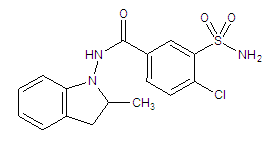


Introduction
Propiverine Hydrochloride is a chemical substance with a molecular weight of 403.95. It appears as white acicular crystals or crystalline powder; it is odorless and tasteless.
Specifications
CP
Chemical Name
4-(2-Hydroxy-2,2-diphenylethoxy)-N,N-dimethylpyridinium chloride
Molecular formula
C23H29NO3.HCl
CAS NO.
54556-98-8
Packing
1kg/tin, 5kg/tin, 25/drum
CERTIFICATE
GMP
Category
Urinary system drugs
Storage
Store in the dark and keep it sealed.
Indication
It is mainly used for the treatment of overactive bladder, which is characterized by symptoms such as urinary frequency, urgency, and urge incontinence. It helps to relieve these symptoms and improve the quality of life of patients suffering from such conditions.
Pharmacology Properties
Pharmacological Class: It belongs to the class of anticholinergic and antispasmodic drugs.
Mechanism of Action: Propiverine Hydrochloride exerts its effect by competitively blocking muscarinic acetylcholine receptors. By doing so, it relaxes the smooth muscles of the urinary bladder, reduces involuntary contractions (spasms), and increases the bladder's capacity to hold urine. This helps in the treatment of overactive bladder syndrome and related urinary disorders.
Dosage and Administration
The usual recommended dosage may vary depending on the patient's age, condition, and response to the drug. Generally, it is taken orally, usually 1 - 2 times a day, with a starting dose of 10 mg per day, and the dose can be adjusted according to the patient's tolerance and therapeutic effect. However, the specific dosage should be determined by a physician based on individual patient circumstances.
Side Effects and Adverse Reactions
Common Side Effects
Dry mouth is a very common side effect, as the drug inhibits the secretion of saliva. Other common side effects may include constipation, blurred vision (due to the effect on the eye's ciliary muscle), and drowsiness or fatigue.
Less Common but Serious Side Effects
In some cases, it may cause tachycardia (increased heart rate), palpitations, and in rare cases, it may lead to urinary retention, especially in patients with pre - existing bladder outlet obstruction. Allergic reactions, although rare, can also occur, presenting as rashes, itching, or swelling.
Hot Tags: propiverine hydrochloride, China propiverine hydrochloride manufacturers, suppliers, factory, Metformin Hydrochloride, Artesunate 88495 63 0, Abiraterone Acetate, Indapamide 26807 65 8, non steroid, Ozagrel Sodium